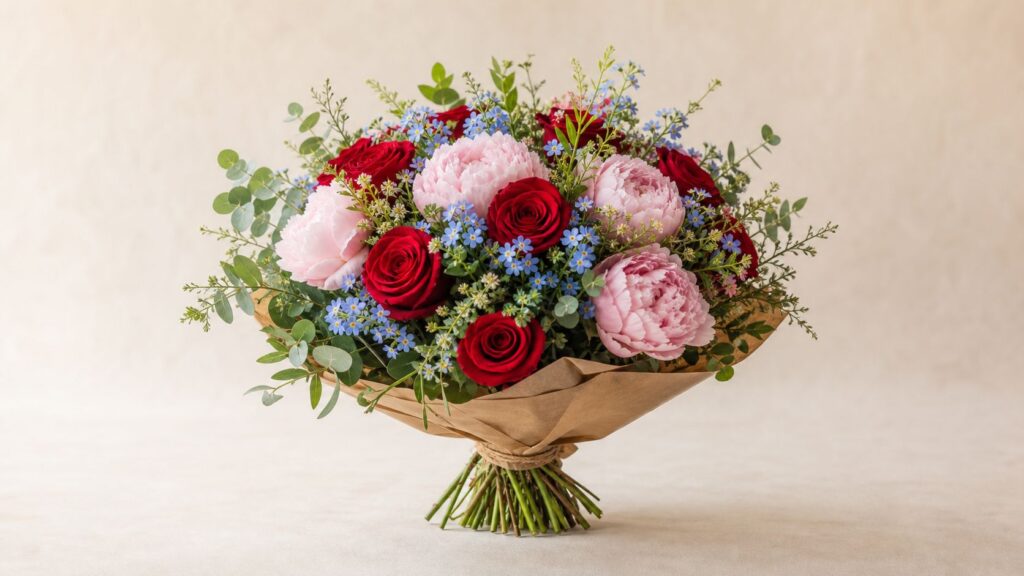
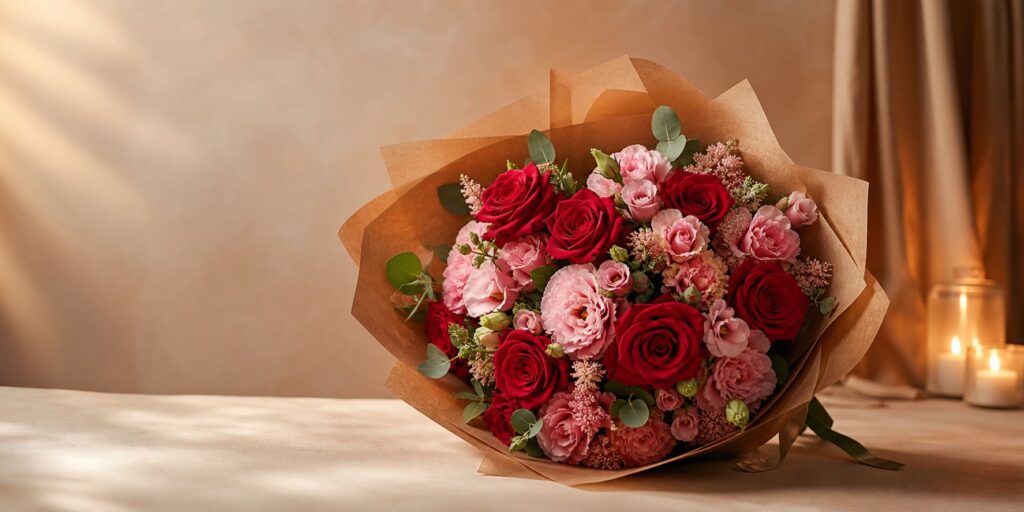
What flowers mean love? Red roses are the most universally recognised answer, though tulips, peonies, forget-me-nots and a handful of specific colours each carry their own romantic meaning too. Every variety in this guide has centuries of poetry, folklore, and tradition in its past, and knowing the story behind a bloom can turn a simple bunch of flowers into a message that lands exactly right. At Williamson’s My Florist, we’ve been putting that message into people’s hands since 1935: four generations of the same family, working out of Livingston and delivering across Edinburgh, Dundee, Glasgow and beyond. This guide brings together the most romantic flowers, the most popular colours, and even a Scottish tradition or two that speak the language of love, so you can choose with real confidence rather than a guess.
The Flowers That Mean Love, at a Glance
Flower symbolism might sound like something confined to Victorian etiquette books, but it’s still very much alive in how modern bouquets get chosen. If you only have a minute, here’s the shortlist, and we go into more depth on each one below.
What Colour Flowers Symbolise Love
Flowers meaning love come in every shade imaginable, and colour is often the fastest way to fine-tune the message. A word of caution: an all-white arrangement can read as formal, even funereal, in the UK if it isn’t warmed up with another colour, so mix in a blush pink or soft peach to keep it light and on theme. Carnations and lilies are especially colour-sensitive, more so than most flowers on this list: red or pink are classic, romantic shades, but the wrong colour sends a genuinely different message. Both get their own section later on.
| Colour | What It Means in Love | Flowers to Look For |
|---|---|---|
| Red | Deep passion and romantic love | Roses, tulips, lilies, carnations |
| Pink | Gentle affection and admiration | Peonies, roses, lilies, carnations |
| White | Pure, honest love and new beginnings | Roses, gypsophila |
| Yellow | Warm affection without romance; friendship | Roses, freesias, gerberas |
| Purple / Lavender | Enchantment and love at first sight | Lavender roses, irises, lisianthus |
| Orange | Passionate, energetic attraction | Tulips, ranunculus |
Red Roses: The Classic Symbol of Romantic Love
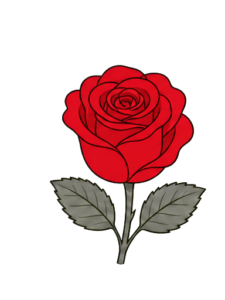
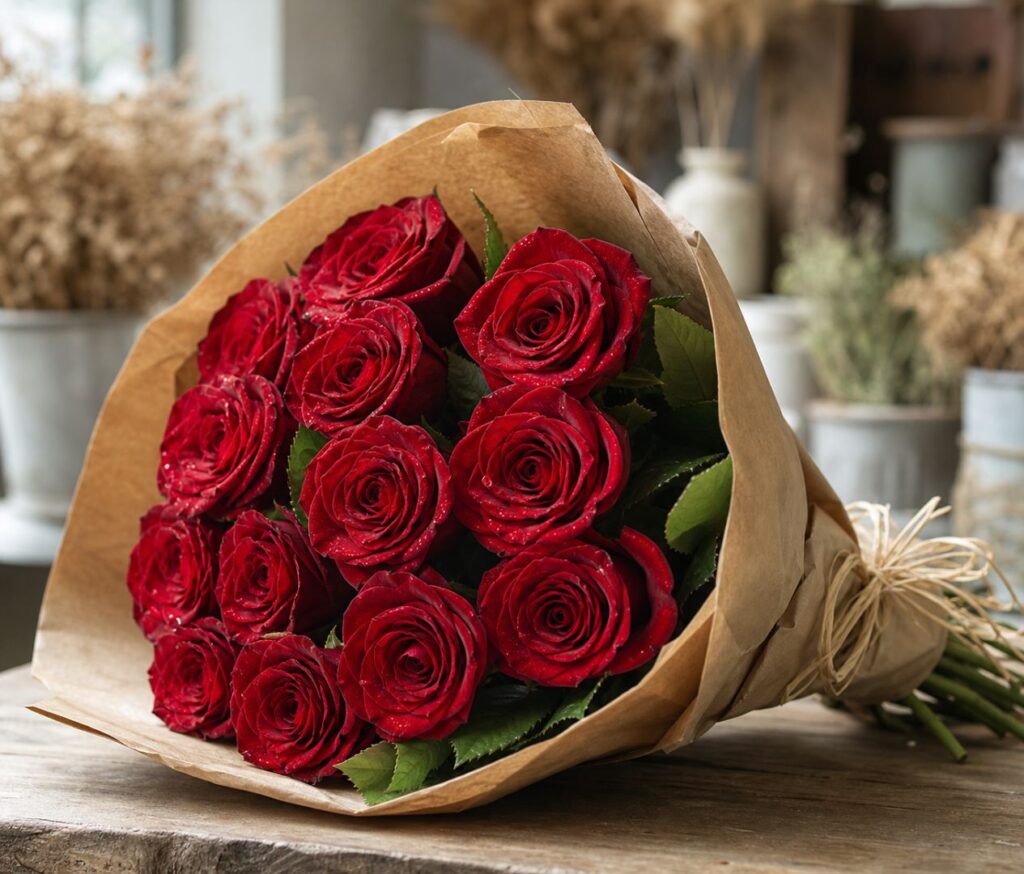
No flower says “love” as instantly as a red rose. The association goes back further than most people realise: Greek and Roman myth linked the rose to Aphrodite and Venus – goddesses of love – and Victorian etiquette later turned the flower into a coded love letter of its own, part of what’s often called the language of flowers, with the number, colour, and even the stage of bloom each carrying a slightly different message.
If you need just one flower that means love, a single red rose remains the safest, most universally understood choice. A dozen red roses is the traditional pick for an anniversary, a proposal, Valentine’s Day, or the first time those special words are said out loud. Swap the colour and the message shifts, too: pale pink speaks to admiration and grace rather than passion, which is why it’s often the safer choice for a new relationship or someone you admire rather than a declared partner.
Tulips, Peonies, and Forget-Me-Nots
Red roses may lead the list, but they’re far from alone.
Tulips
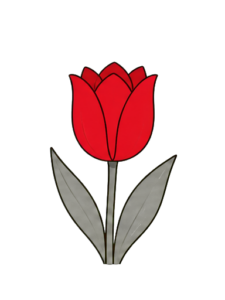
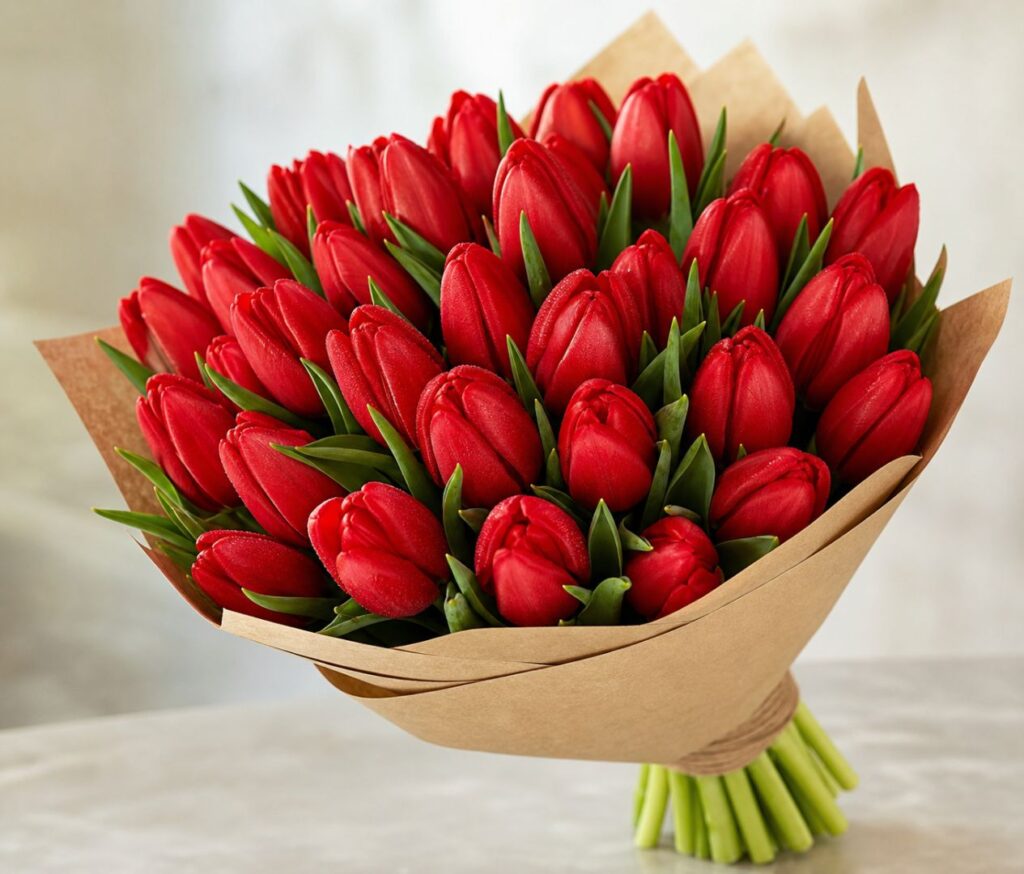
A red tulip is about as direct as flowers get: a genuine declaration of deep love, no ambiguity attached. Pink tulips symbolise a gentler kind of love, leaning on affection and care rather than passion, which is exactly why they suit Mother’s Day so well.
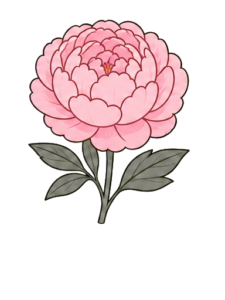
Peonies
Lush, full, and unmistakably romantic, peonies have long stood for a happy marriage and a blossoming relationship, which is why they often feature in bridal bouquets and early-relationship gifts alike.
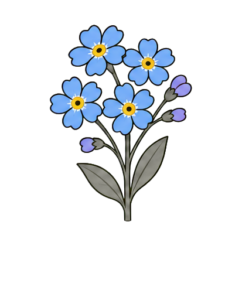
Forget-me-nots
True to the name, these small blue flowers stand for lasting devotion and remembrance – a touching way of saying a love hasn’t faded even across distance or time.
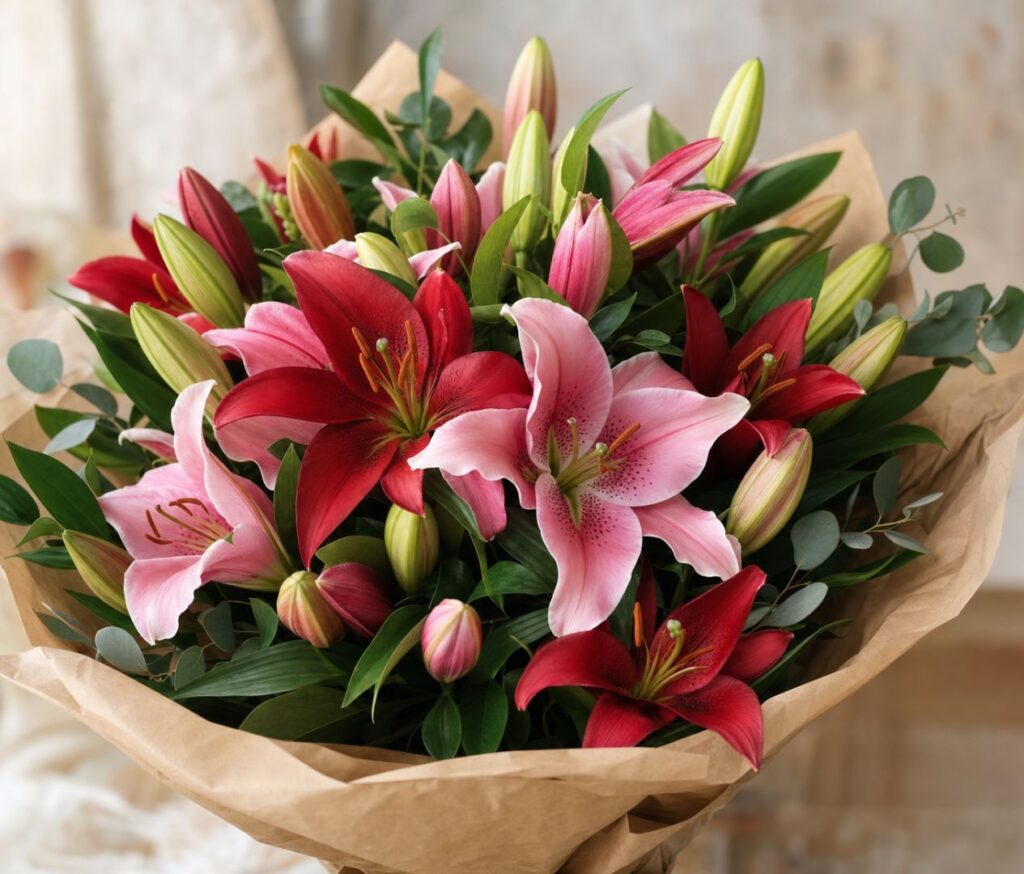
Lilies: Passion in Red and Pink
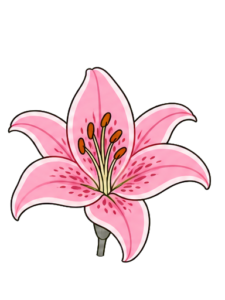
Lilies are a familiar shape in any florist’s window, but their colour determines the message more than you might think. Red and pink varieties carry real romantic weight – red for passion and long-lasting love, pink for admiration and gratitude – making them a striking alternative to a rose when you want something a little different. White lilies are still a popular choice for wedding flowers, where the context removes any ambiguity, but sent on their own as a gift they’re more commonly associated with sympathy than a declaration of love. Red or pink is the safer choice if you’re sharing the love.
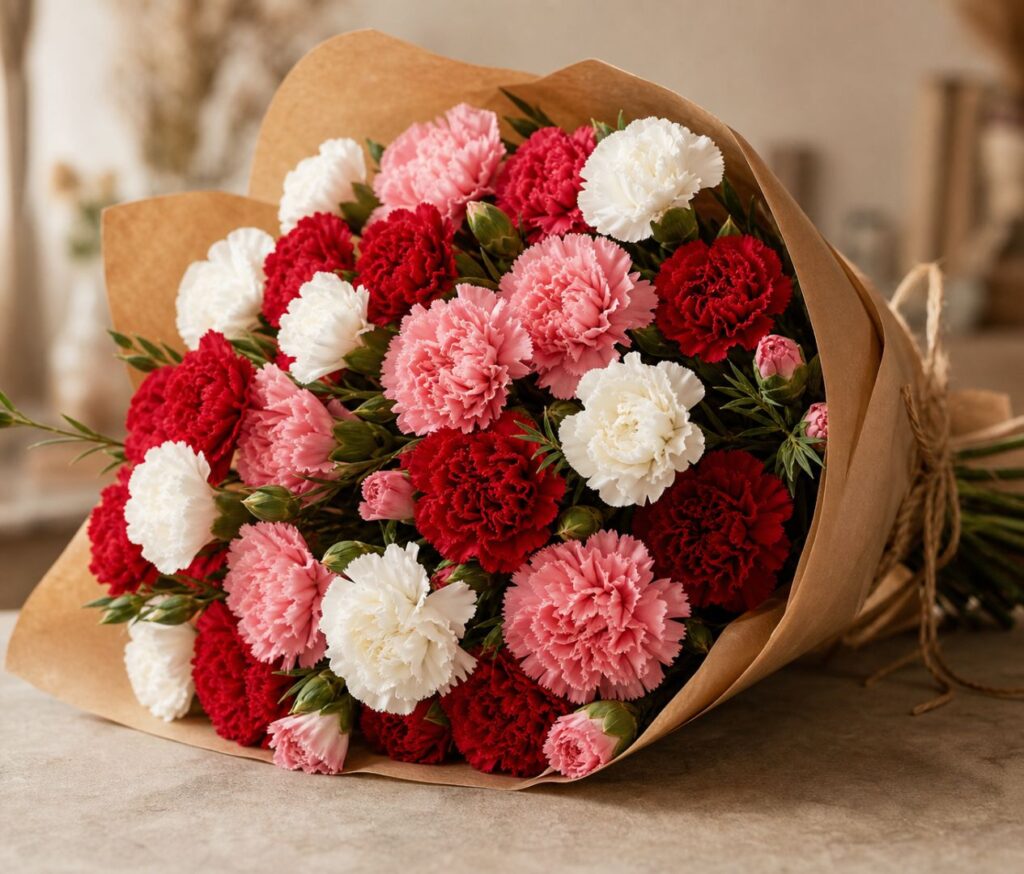
Carnations: One Flower, Many Meanings
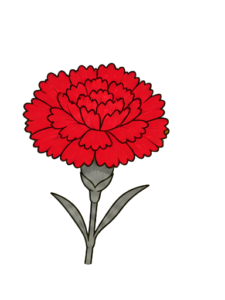
Carnations are one of the few flowers where the same bloom sends a genuinely different message depending on colour alone. Red carnations, in Victorian flower language, translate to “my heart aches for you”, a longing, deeply felt kind of love. Pink carnations carry a gentler, “I’ll never forget you” sentiment, which suits a long-distance relationship or a love that has stood the test of time. White carnations lean towards purity and good luck rather than romance, better suited to a wedding than a declaration of love. Yellow and striped carnations are worth knowing to avoid altogether here: in that same Victorian tradition, they signal rejection and disappointment – about as far from flowers that mean love as a flower can get.
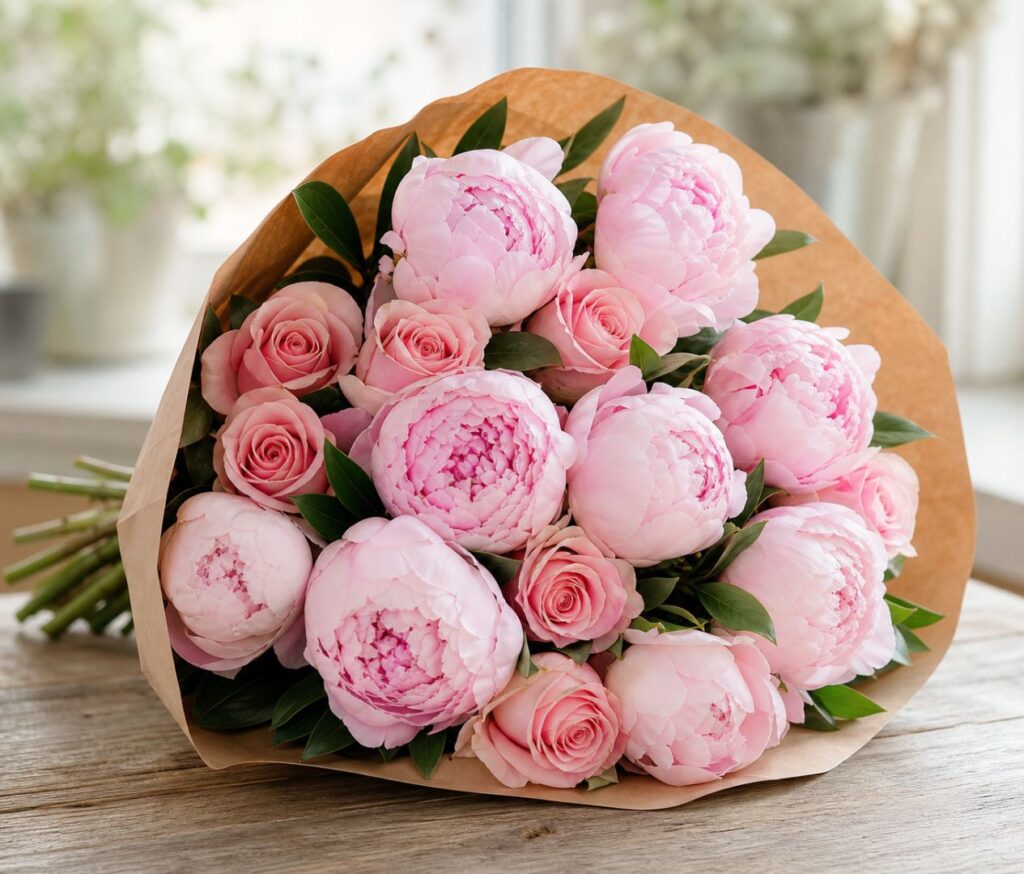
When It's Still Early: Flowers for New Love
Not every bouquet needs to declare undying devotion just yet. Flowers meaning new love tend to be softer and slightly shyer than a dozen red roses – better suited to a relationship that’s still finding its feet.
Pink peonies and pink roses
Softer than their red counterparts, these speak to admiration, gentleness, and the early excitement of getting to know someone, without overplaying the moment.
Lilacs
One of the oldest symbols of first love, lilacs’ soft purple blooms traditionally mark the start of a budding romance, before deeper, more established meanings of the red rose take over.
Gerbera daisies
Bright and unguarded, gerberas suit a new relationship’s easy, cheerful energy far better than a more formal arrangement.
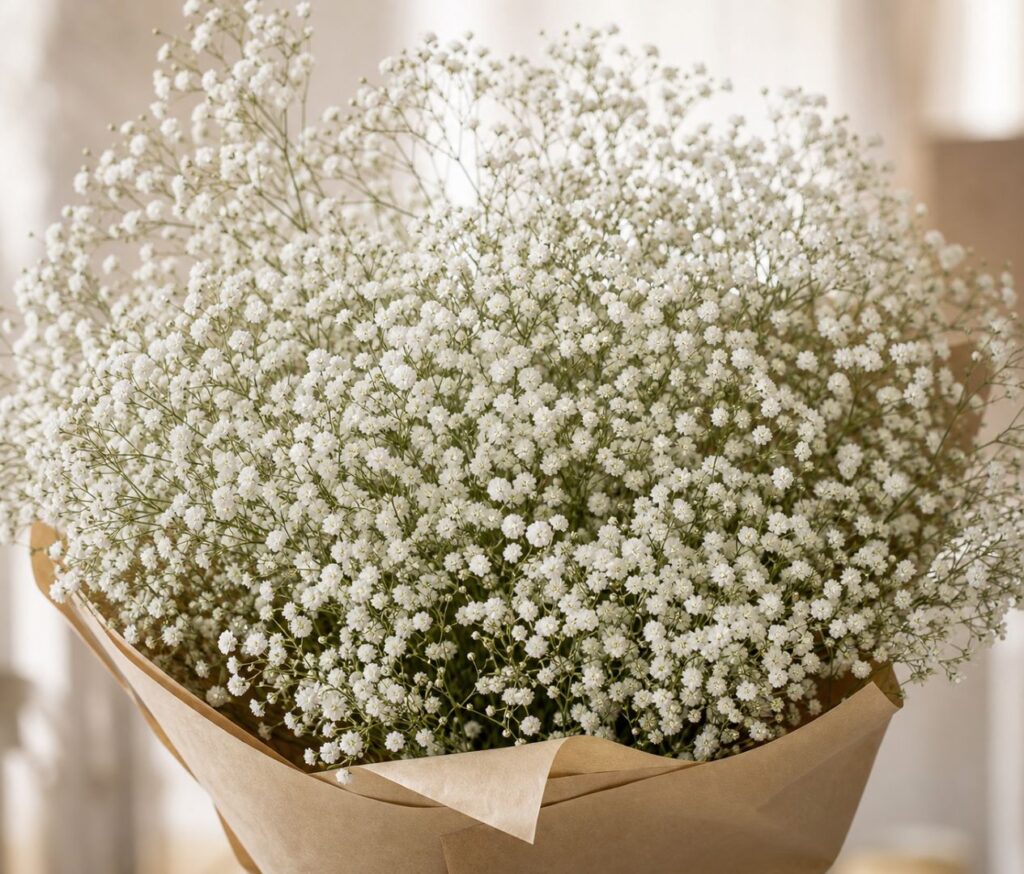
Baby's Breath: An Old Symbol of Everlasting Love
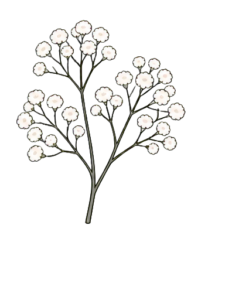
When the message is about permanence rather than a spark, baby’s breath – or gypsophila – is a wonderful choice. A flower that means eternal love, baby’s breath appears again and again in Victorian-era flower dictionaries and modern florist glossaries alike as the flower defining everlasting love. Its name, gypsophila, comes from the Greek for “lover of chalk”, a nod to the limestone soil it favours, but its lasting reputation comes from how it’s used rather than where it grows: dozens of tiny, individually unremarkable blooms that, when gathered together, discover their full beauty (much like that feeling of completeness when you find your ideal partner).
When Red Roses Aren't Quite Enough
Some occasions call for something more intense than a classic red rose. A handful of flowers that mean deep love exist specifically for that register.
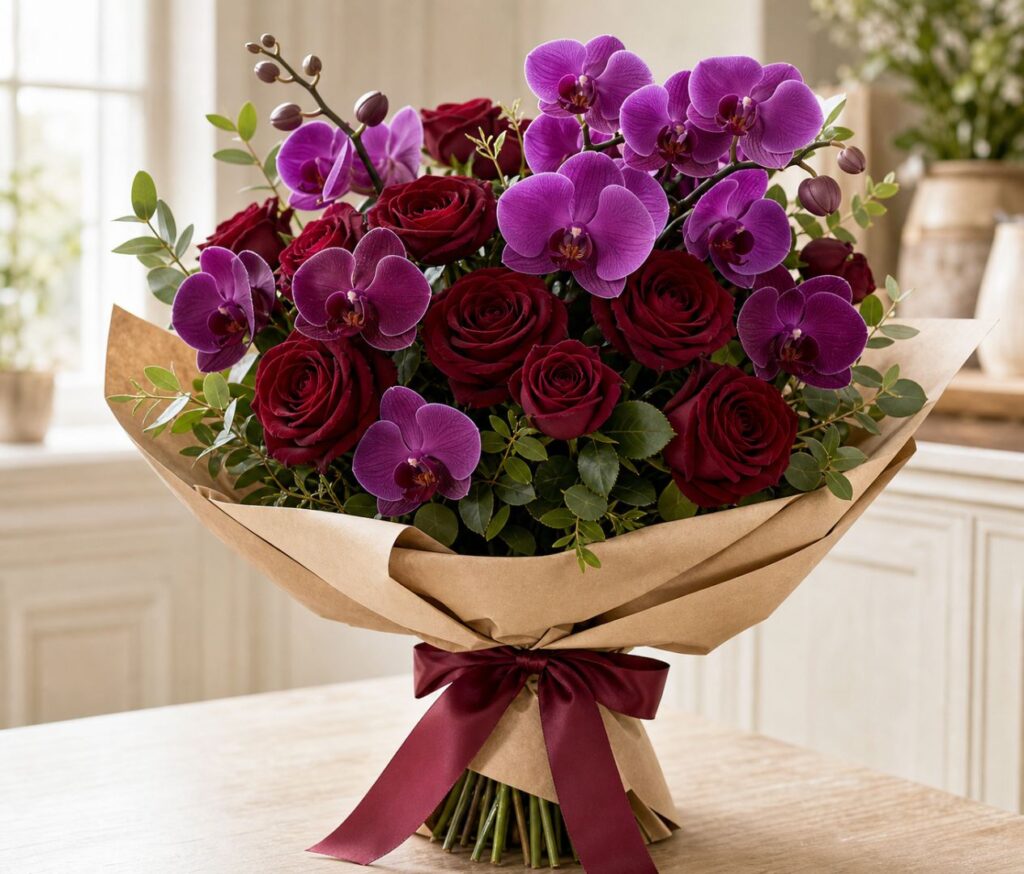
Deep red and burgundy roses
The darker the red, the more intense the sentiment traditionally attached to it; a burgundy rose represents unconscious beauty and a love that runs deeper than words.
Orchids
Exotic and refined, orchids, particularly in deep purple or red, are traditionally tied to strength, beauty, and a love intense enough to be described as a kind of devotion.
Red camellias
Rarer in a UK bouquet than a rose or an orchid, red camellias carry an equally intense meaning of strong passion and deep desire.
A Scottish Tradition: White Heather for Luck in Love
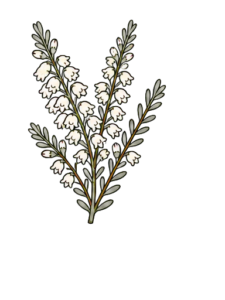
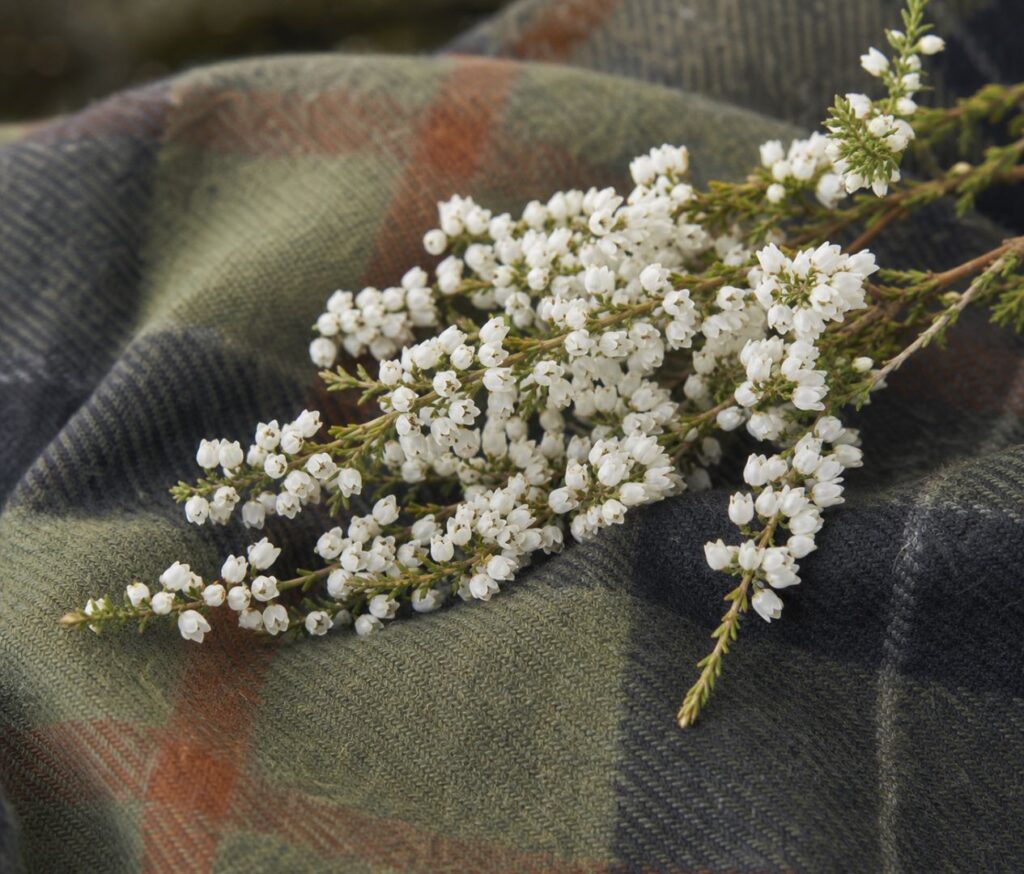
Most of the flowers in this guide come from a shared European or Victorian tradition, but Scotland has one that belongs entirely to itself. White heather has been carried as a good-luck token across the Highlands for generations, tucked into a buttonhole or woven through a bouquet for exactly the moments when love and luck feel like they should go together: a wedding, an engagement, or a first Valentine’s Day as a couple.
The tradition holds that ordinary purple heather is common and easily found, but a stem of white heather is rare enough to be considered lucky. Scottish brides have carried it for that reason for well over a century, and it’s a detail we still see requested in bouquets from customers across Edinburgh and further afield.
It’s a small addition to any arrangement, but one none of the more generic guides to flower meanings ever mention, because it isn’t really a “flower meaning” in the Victorian sense. It’s a living piece of Scottish folklore, still very much in use.
Choosing Flowers That Mean Love, and Getting Them There in Time
Meaning matters, but so does making sure the flowers arrive looking the way they should. If you’re not sure where to start, our florists can talk through the occasion, the relationship, and the message you’re going for, and build a bouquet around it rather than leaving you to match colours and varieties on your own. Order before 10am and we can usually get flowers out the same day, Monday to Saturday, across Scotland and the UK. Next-day delivery is there too, for whenever the timing suits better than today. Ready to send a message that means something? Browse our romantic blooms online or call us on 01506 811433 and we’ll help you choose.
-
Can flowers that mean love work for someone who isn't a partner?
Yes. A lot of the flowers in this guide – pink roses, peonies, and tulips in particular – sit closer to warmth and affection than romance, which makes them just as suited to a parent, a close friend, or a family member you love in a different way. Save the deep reds and the dozen roses for a partner, and lean on the softer pinks and yellows for everyone else.
-
Does the number of stems change what a bouquet means?
It can, at least by tradition. A single stem is a focused, personal gesture; three stems is often read as “I love you”, echoing the three words; a dozen is the classic romantic statement; and anything from two dozen upward is usually reserved for a genuinely big occasion, like an engagement or a significant anniversary. None of this is a hard rule, but it’s a nice way to fine-tune a gift beyond colour and variety alone.
-
What flowers should I give on a first date?
Something lighter than red roses, which can feel like a lot too soon. Gerbera daisies, lilacs, or a small mixed bouquet in pastel tones say you’ve made an effort without declaring anything you haven’t said out loud yet.
-
Does the occasion change what flower that means love you should send?
Yes, to an extent. A first Valentine’s Day calls for the boldest, most unambiguous choice, which is why a dozen red roses remains the classic pick. Anniversary flowers lean on tradition tied to the specific milestone – carnations for a first anniversary, yellow roses for a golden one – so the flower itself carries meaning beyond the colour. Wedding flowers work differently again, chosen to suit the bride’s palette and the day’s overall look rather than a single symbolic message.
Other News
A florist's guide to choosing flowers for the women in your life - mum, wife,...

Results day is a major landmark in our younger loved ones’ lives. For some, it...

Easter weekend is the perfect time to celebrate with your nearest and dearest. Whether you’re...